Obtaining Overseas Documents
The UK is one of the most open countries in the world for obtaining documents such as Birth, Death & Marriage certificates.
At TraceInline we are regularly asked to obtain documents from all around the world, dealing with the various restrictions imposed. Even countries that one might assume would have similar rules to the UK such as USA and Canada can make it difficult.
United States
We had an interesting example recently obtaining a Death Certificate from the state of Idaho (United States). Their criteria for obtaining a certificate is quite strict, you must be working for the person (such as dealing with their estate) or be immediate family.
The matter we were working on involved a Will Trust in the UK. The deceased person named her daughter-in-law, who I will call Jane, as a beneficiary to the estate providing she was still alive. If Jane was also deceased then her share should go to Mark, the grandson of the deceased (not Jane’s son).
After tracing Jane from the UK to Idaho, we found out that she had indeed died.
To allow the estate in the UK to be distributed correctly, the solicitor would need a report that essentially demonstrated two things. Firstly, that the Jane found is the same Jane named in the Will and secondly, proof that she had died. The Death certificate was therefore not only needed to confirm Jane had died, it would also show Jane’s parents’ names and husbands details, the final piece of the proof that it was the correct Jane.
The problem was that this situation does not fit with Idaho’s criteria for obtaining a Death Certificate. The person was not an immediate next of kin and we were not dealing with Jane’s estate. In many territories this would be a deal breaker, fortunately in Idaho it is possible to obtain an exception under certain circumstances.
Credit to the Idaho records office as they have been quite cooperative. They requested a full explanation of the circumstances, documents including the Will and our instruction letter from the solicitor. Finally, they requested a written authority from the Executors as well, authorising our firm to obtain the document on their behalf. We could then sign off our report and the estate be distributed.

Canada
Some territories would not entertain such cooperation, in Canada for example only immediate next of kin can obtain Death Certificates and it is generally not possible to obtain certificates without the help of immediate family.
Key Information
As with the Idaho example, one key piece of information on the certificates is proof of who the husband and parents are. Without the correct documentation we are left with possibilities and hearsay. The Executor would have to take a view on the available information and distribute the estate accordingly.
Missing Father’s Name
What if the certificate does not show the fathers details? If the estate being distributed is from the mother’s side of the family then it won’t matter, but if it’s from the paternal side we cannot include that line in the list of confirmed beneficiaries. Again, it would be down to the Executors, maybe they would accept family testimony or maybe not.
In some ways not having a father named on the birth certificate is a double edge sword, on one hand we lack conclusive evidence. But equally, whatever decision the Executors make in relation to the evidence is unlikely to be successfully challenged in future.
Jamaica
Some territories like Jamaica for example, only have the father named on the Birth certificate if the parents were married when the birth was registered. We are currently dealing with a couple of estates with beneficiaries in Jamaica and it makes the research very time consuming and ultimately, we won’t end up with the clean, clear-cut report aimed for.
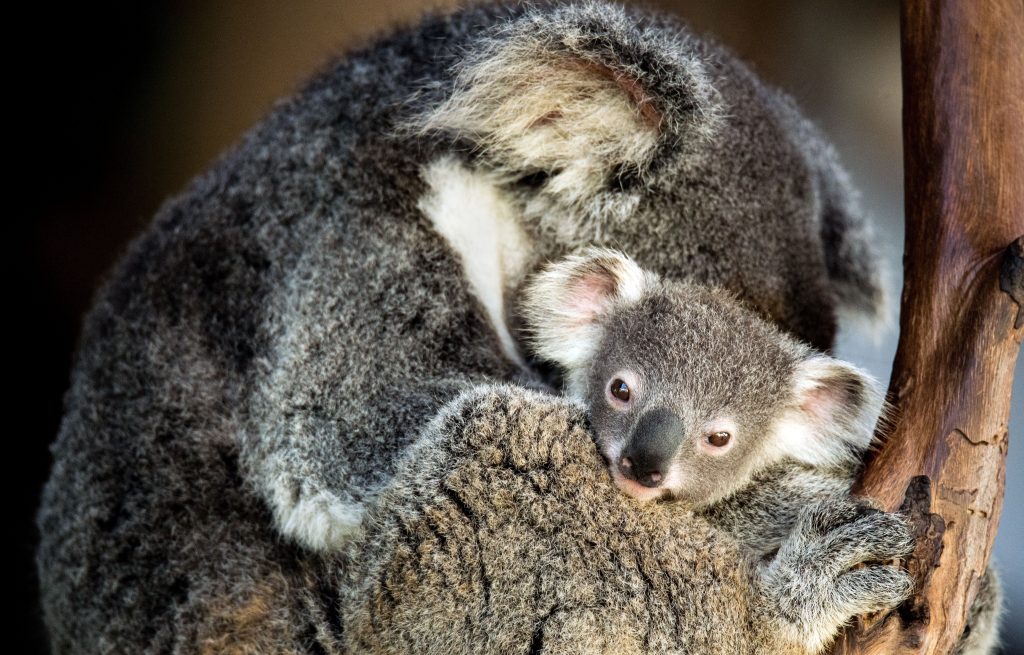
Australia
Another country we deal with a lot is Australia, much like the United States there are strict rules on obtaining documents that differ by state. However, in general they will release certificates for the distribution of estates given the right documentation and a signed request from the administering solicitor.
Extra Information
One of the main reasons these countries are more restrictive is the amount of personal information the certificates can contain, not just additional information about the person but also their parents and children. As a genealogist the additional information can be useful to our research, but it comes at the expense of being able to obtain the documents in the first place.
Non-English Speaking Countries
Obtaining documents from territories where the first language is not English, with different rules and customs, can also be challenging to deal with direct. Navigating foreign language websites is not as difficult as one might imagine using translation in the browser, but this doesn’t overcome all the issues. What if there is a problem? or you can only order by telephone? or you have a question? or you need to be based in the territory? there are numerous potential pitfalls.
Over the years we have dealt with many countries worldwide and have developed a network of overseas researchers to obtain documents. Having someone who speaks English and the local language, who knows the rules and customs, and is based in the country in question, makes the process run far more smoothly.
TraceInline
At TraceInline we obtain documents worldwide for missing beneficiaries and other legal purposes. If you need to find documents or individuals worldwide, contact our friendly team who will be happy to help.